 Source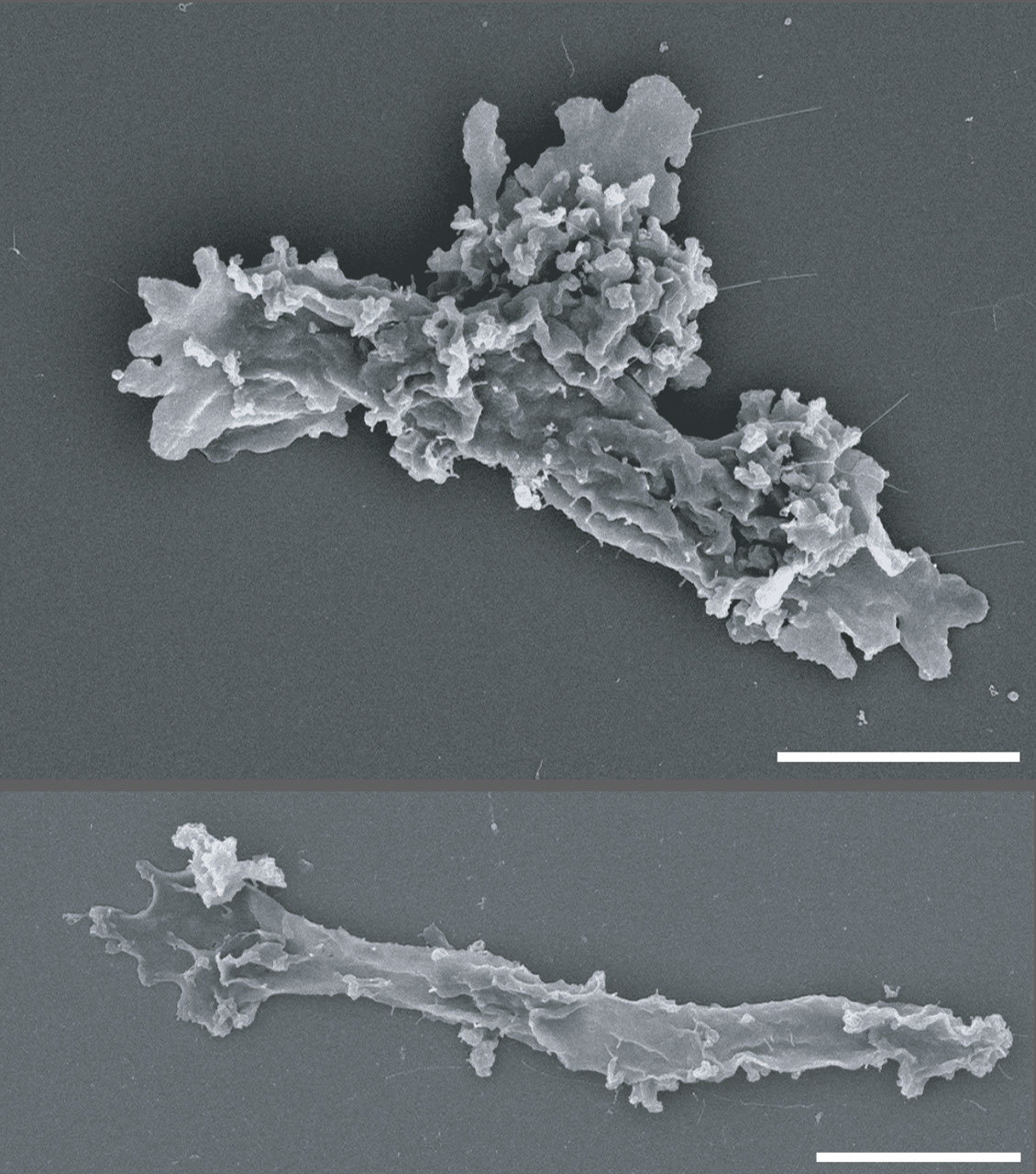
NASA-Funded Research Finds Complex Life Defying Record Heat
NASA-funded scientists discovered Incendiamoeba cascadensis, a complex cell organism that survives in extreme heat. This discovery sets a new record for the upper temperature limit of eukaryotes.
Why it matters
This expands the known conditions under which complex life can exist, guiding the search for life on other planets. It also identifies unique proteins with potential applications in medicine and biotechnology.
The big picture
This research complements other NASA studies on planetary habitability, such as the discovery of complex water systems on early Mars.
The details
The amoeba's discovery disproves the assumption that eukaryotic membranes are unstable above 144 degrees Fahrenheit. Its genome contains genes that stabilize DNA and maintain protein folding at high temperatures. Similar DNA was found in samples from New Zealand and Yellowstone National Park.
What's next
Scientists hope the discovery encourages others to continue searching for high-temperature eukaryotes.
Show entities and relationshipsHide entities and relationships
In this article
Key connections
Beryl Rappaport works at Syracuse University
Beryl Rappaport, graduate student at Syracuse University
Alison Olcott works at NASA
Alison Olcott, program scientist for Exobiology at NASA Headquarters
Get the weekly recap
The stories like this one, picked and explained — once a week, straight to your inbox.