 Source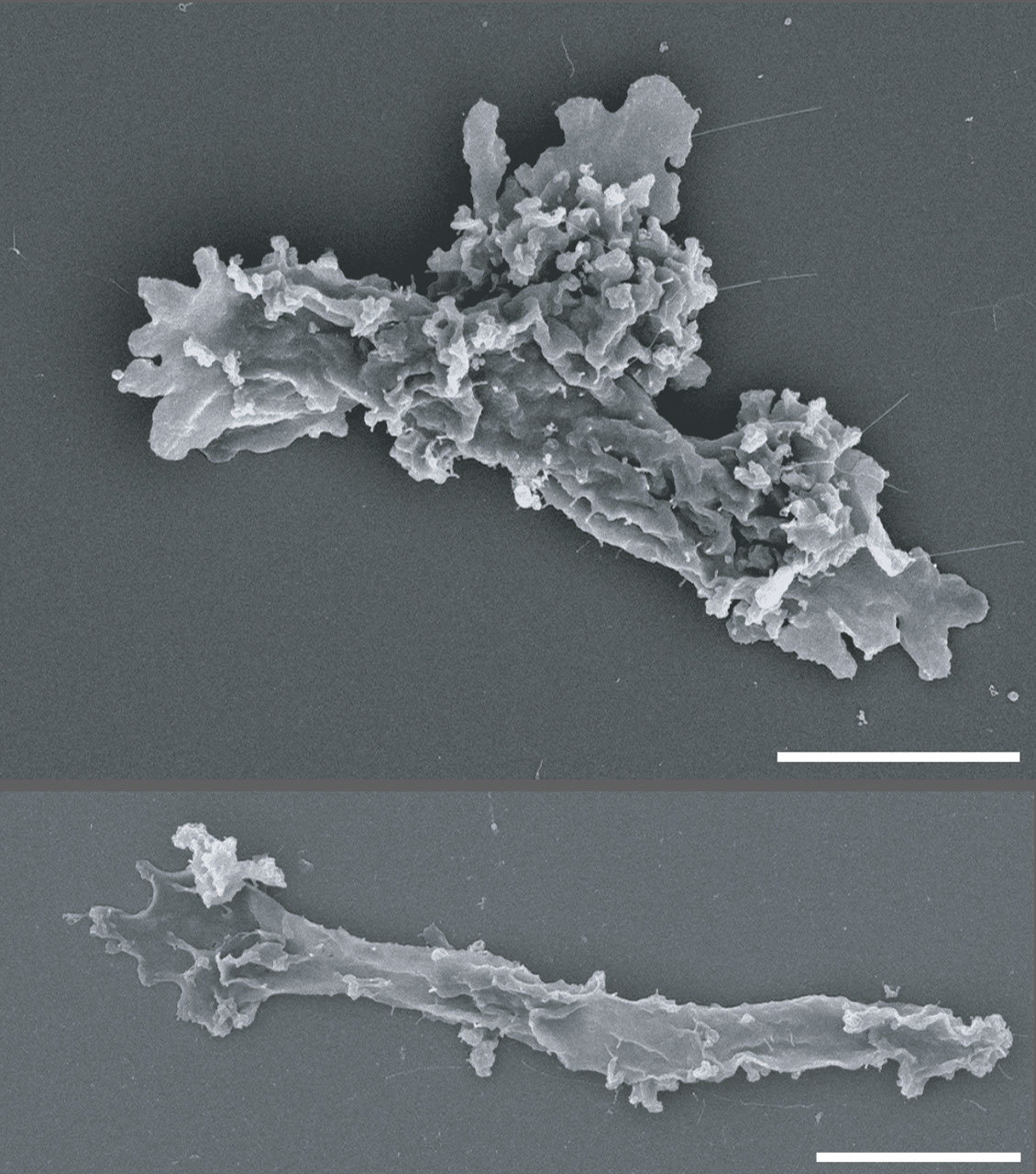
NASA-Funded Research Finds Complex Life Defying Record Heat
NASA-funded scientists discovered Incendiamoeba cascadensis, an organism that survives and reproduces at temperatures previously thought impossible for complex life. This discovery sets a new record for the upper temperature limit of eukaryotes.
Why it matters
Understanding how complex life survives extreme heat helps scientists identify potential habitats for life on other planets and may lead to biotechnology and medical advancements.
The big picture
This article provides detailed evidence and scientific context for the discovery of Incendiamoeba cascadensis mentioned in prior coverage.
The details
The amoeba can recover from 158 degrees Fahrenheit but dies at 176 degrees. Previous eukaryotic temperature limits were 140 degrees Fahrenheit. Genetic data suggests similar organisms may exist in New Zealand and Yellowstone National Park. The organism uses proteins with high positive surface charges to maintain stability.
Show entities and relationshipsHide entities and relationships
In this article
Get the weekly recap
The stories like this one, picked and explained — once a week, straight to your inbox.