 Source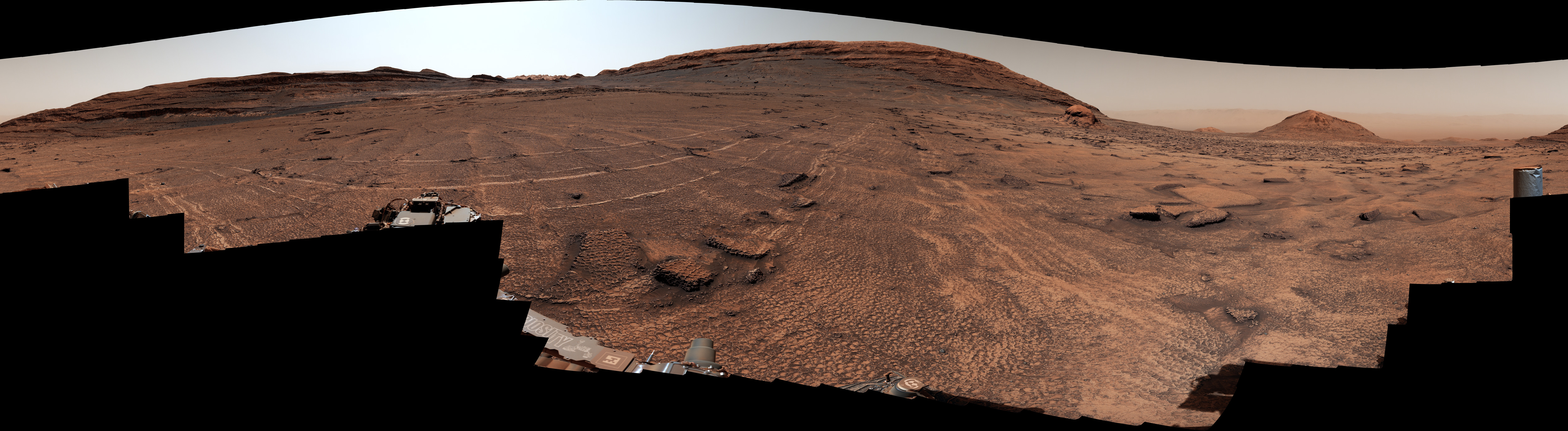
NASA’s Curiosity Mars Rover Discovers Field of Honeycomb Textures - NASA
NASA's Curiosity rover discovered an extensive field of honeycomb-like polygonal fractures in a Martian valley called Valle Grande. The discovery was captured on sols 4,930 and 4,931 of the mission.
Why it matters
Analyzing these geological patterns helps scientists determine how the Martian surface formed. This contributes to a broader understanding of whether ancient Mars could have supported microbial life.
The details
- Polygons are approximately 1.5 to 3 inches across.
- Textures wrap around a 20-foot tall butte named Miraflores.
- Possible causes include temperature cycles, mud cracks, or sediment compression.
Show entities and relationshipsHide entities and relationships
In this article
Key connections
Jet Propulsion Laboratory owns Curiosity
JPL built Curiosity and leads the mission on behalf of NASA.
Ashwin Vasavada works at Jet Propulsion Laboratory
Ashwin Vasavada is a project scientist at NASA's Jet Propulsion Laboratory.
Ashwin Vasavada leads Curiosity
Ashwin Vasavada is the project scientist for the Curiosity rover mission.
NASA funds Jet Propulsion Laboratory
JPL is a NASA field center leading space exploration missions.
United States regulates NASA
NASA is an agency of the United States federal government.
Mars Exploration Program is a member of NASA
Mars Exploration Program is a portfolio program within NASA.
Get the weekly recap
The stories like this one, picked and explained — once a week, straight to your inbox.