 Source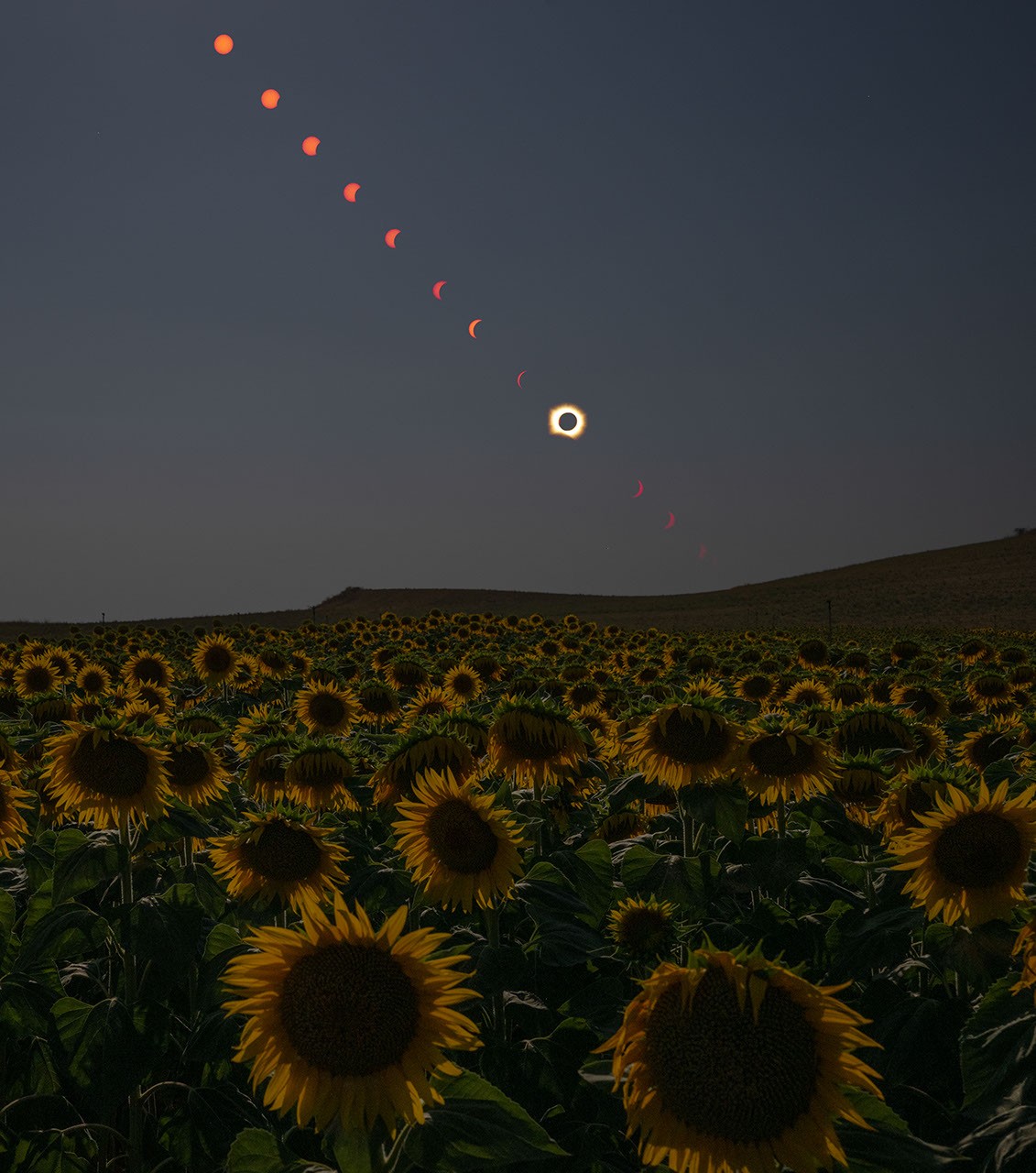
NASA Shares Views of August Solar Eclipse from Ground, Air, Space
NASA utilized aircraft, balloons, and the International Space Station to study and photograph a total solar eclipse on Aug. 12, 2026. The operation aimed to capture images of the Sun's corona and examine atmospheric effects.
Why it matters
Studying these events allows scientists to understand the Sun's impact on Earth and prepares them for future eclipses, such as the one on Aug. 2, 2027.
The details
- The WB-57F research jet captured high-resolution images from 50,000 feet altitude.
- Student balloons measured how light loss affected the Earth's lower atmosphere.
- Astronaut Jessica Meir photographed the eclipse from the International Space Station.
Show entities and relationshipsHide entities and relationships
In this article
Organizations
Topics
Companies
Key connections
NASA operates the WB-57F high-altitude research aircraft.
NASA funds DEB Initiative
NASA supports the DEB Initiative project.
NASA funds Predictive Science Inc.
NASA provides grants and supercomputing access to Predictive Science Inc.
NASA is a partner of Southwest Research Institute
NASA collaborates with a science team led by Southwest Research Institute to analyze WB-57F eclipse data.
Montana State University is a member of Nationwide Eclipse Ballooning Project
Students from Montana State University participated in the Nationwide Eclipse Ballooning Project.
Southwest Research Institute uses WB-57F
Southwest Research Institute leads the analysis of images captured by NASA WB-57F aircraft.
Show 11 more connectionsShow fewer connections
Predictive Science Inc. uses Supercomputing
Predictive Science Inc. utilized supercomputers to predict the solar corona.
WB-57F uses Infrared Imaging
The WB-57F research aircraft utilized infrared imaging to photograph the corona and prominences.
Nationwide Eclipse Ballooning Project uses Scientific High-Altitude Ballooning
The Nationwide Eclipse Ballooning Project uses scientific ballooning to study atmospheric effects.
Montana State University uses Scientific High-Altitude Ballooning
Montana State University student team launched scientific balloons during the eclipse.
Southwest Research Institute is located in United States
Southwest Research Institute is located in Boulder, Colorado, United States.
Montana State University is located in United States
Montana State University is located in Bozeman, Montana, United States.
Predictive Science Inc. is located in United States
Predictive Science Inc. is based in the United States.
Nationwide Eclipse Ballooning Project is related to Spain
Ballooning teams launched payloads in Spain during the eclipse.
Nationwide Eclipse Ballooning Project is related to Iceland
Ballooning teams prepared and launched payloads in Mosfellsbaer, Iceland.
NASA observed the eclipse along its totality path over Greenland.
International Space Station is related to Canada
The International Space Station passed over southern Quebec, Canada while capturing eclipse images.
Related events
NASA Observes August 12 Total Solar Eclipse from Ground, Air, and Space
Get the weekly recap
The stories like this one, picked and explained — once a week, straight to your inbox.