 Source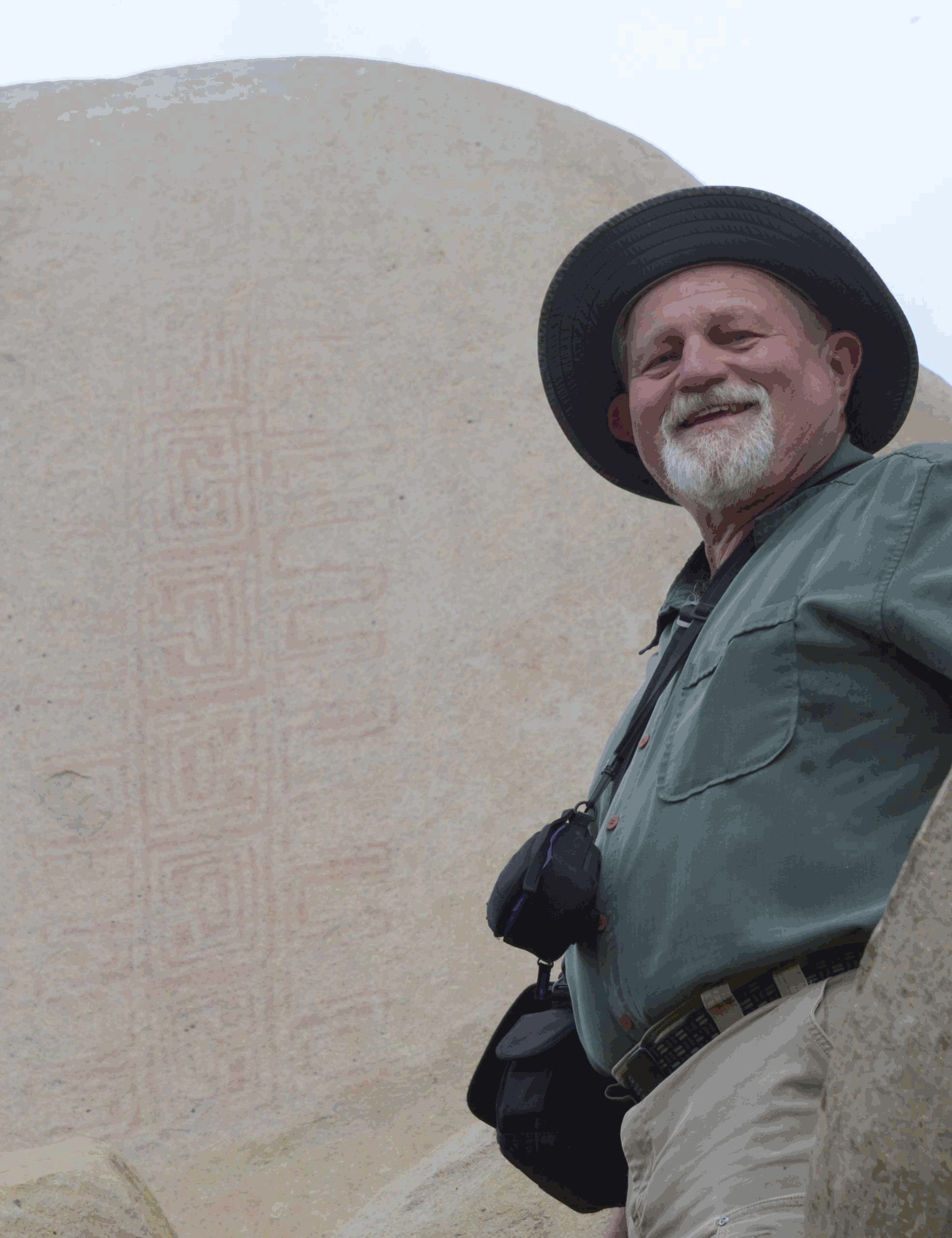
NASA Technique for Manipulating Satellite Photos Now Reveals Ancient Images
A NASA-developed algorithm called decorrelation stretch is being used by archaeologists to reveal faded ancient paintings and artifacts.
Why it matters
This technology allows researchers to recover previously invisible historical data, enabling the discovery and study of lost art and cultural heritage.
The big picture
While prior coverage focuses on NASA's space missions and terrestrial training, this highlights a practical application of JPL technology in archaeology.
The details
- Ronald Alley authored the 1996 paper on the algorithm for ASTER imagery. - The method was originally applied to satellite images of the Martian surface. - Harman developed smartphone apps to mimic the decorrelation stretch effect.
Show entities and relationshipsHide entities and relationships
In this article
People
Technologies
Key connections
Ronald Alley works at Jet Propulsion Laboratory
Ronald Alley, a JPL employee
Ronald Alley is related to Advanced Spaceborne Thermal Emission and Reflection Radiometer
Ronald Alley... developing applications for the Advanced Spaceborne Thermal Emission and Reflection Radiometer
Jon Harman is related to Dstretch
Jon Harman was developing the Dstretch plug-in
Dstretch is related to decorrelation stretch
smartphone apps that use a shortcut to mimic decorrelation stretch
National Institutes of Health owns ImageJ
ImageJ, an open-source program developed by the National Institutes of Health
Terra is related to Advanced Spaceborne Thermal Emission and Reflection Radiometer
the ASTER (Advanced Spaceborne Thermal Emission and Reflection Radiometer) on NASA’s Terra satellite
Get the weekly recap
The stories like this one, picked and explained — once a week, straight to your inbox.