 Source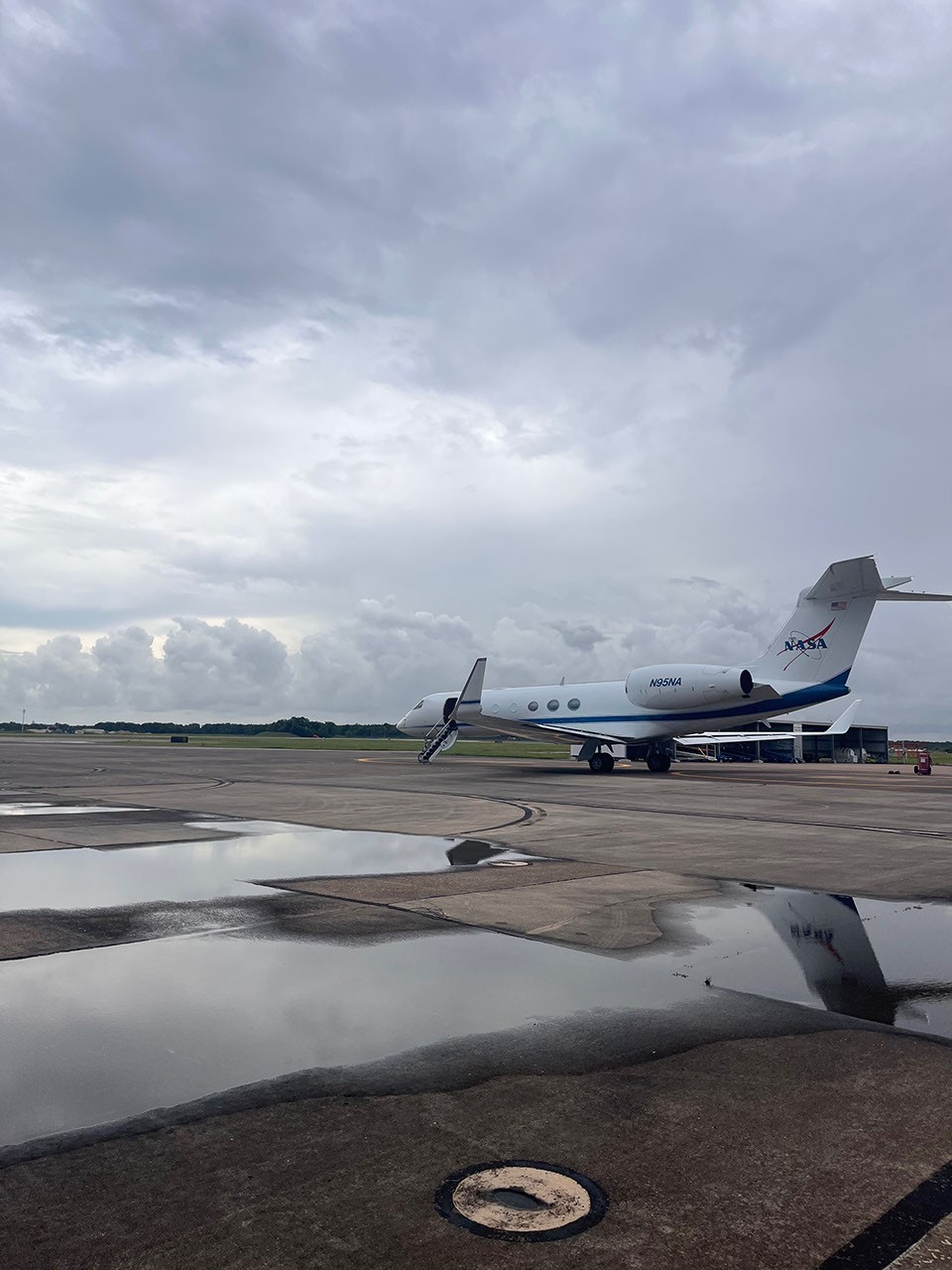
Students Take on Airborne Field Research with NASA
NASA's Student Airborne Research Program (SARP) provided 48 undergraduate students with eight weeks of hands-on field research across four Earth system science disciplines, concluding on July 27.
Why it matters
The program bridges classroom learning and professional STEM careers by providing real-world experience in data collection, preparing students for future roles in field research.
The details
- Students used ozonesondes to measure ozone concentrations above the Texas Gulf Coast.
- Five science aircraft supported the program, including NASA's Gulfstream G-III and GV.
- Participants specialized in atmospheric science, oceans, terrestrial ecology, or hydrology.
Show entities and relationshipsHide entities and relationships
In this article
Organizations
Countries
Companies
Technologies
Key connections
NASA owns Student Airborne Research Program
NASA operates the Student Airborne Research Program (SARP).
NASA owns Gulfstream G-III
NASA operates the Gulfstream G-III aircraft for scientific flights.
NASA owns Gulfstream G-V
NASA operates the Gulfstream G-V aircraft for airborne research.
NASA operates the C-20A scientific research aircraft.
Dynamic Aviation owns B200
Dynamic Aviation operates the B200 aircraft.
NOAA operates the P-III research aircraft.
Show 8 more connectionsShow fewer connections
NASA owns Ozonesonde
NASA SARP program uses ozonesonde balloon instruments for ozone measurements.
Yaitza Luna-Cruz works at NASA
Program manager for NASA's Early Career Research Program at NASA Headquarters.
Joelle Hopkins works at NASA
SARP project manager at NASA Headquarters.
Marin Stevens is a member of University of Colorado at Colorado Springs
Chemistry student at University of Colorado at Colorado Springs.
Darriqa Jones is a member of Hampton University
Marine and environmental science student at Hampton University.
Dynamic Aviation is a partner of NASA
Dynamic Aviation provides aircraft support for NASA's SARP research program.
NOAA supports NASA's SARP research program with aircraft.
Laser Airborne Particulate Measurement is built with Gulfstream G-V
Laser instrument utilized during airborne science flights to collect atmospheric particulate measurements.
Get the weekly recap
The stories like this one, picked and explained — once a week, straight to your inbox.